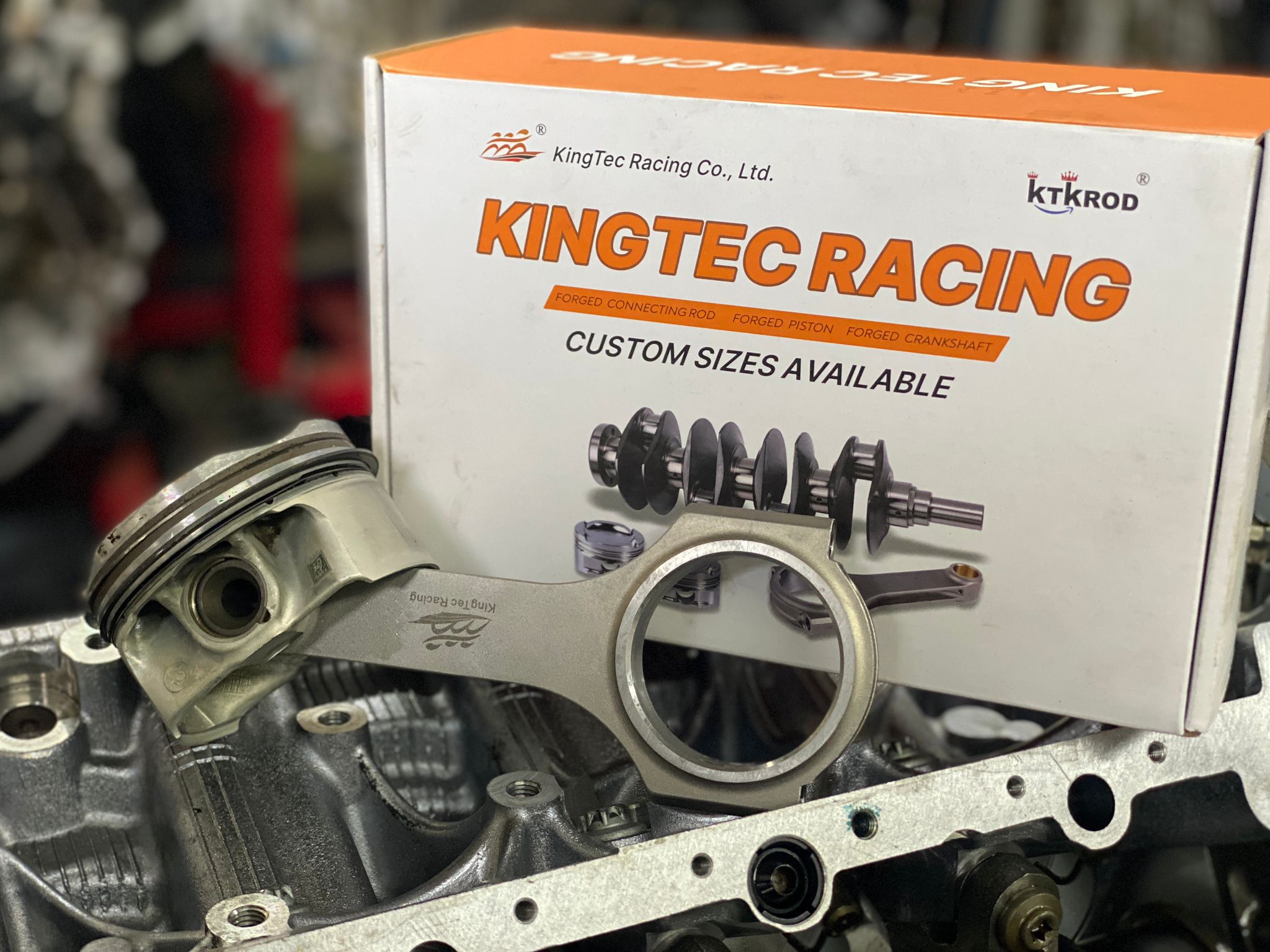
Correct installation of the connecting rods is crucial for ensuring your engine's peak performance and longevity. In this blog, we're diving into the process of installing KingTec Rcing forged connecting rods. Let’s walk through the process step-by-step to help you achieve optimal results.
Connecting rods, often referred to simply as "con rods," are a vital component in any internal combustion engine. They connect the piston to the crankshaft, converting the piston's linear motion into the rotational motion needed to power the vehicle. High-performance forged connecting rods, such as those offered by KingTec Racing, are designed to withstand the extreme conditions of racing, providing enhanced durability and strength.
Tools and Materials Needed
Before beginning the installation, ensure you have the following tools and materials on hand:
Step-by-Step Installation Guide
1. PreparationStart by thoroughly cleaning your workspace. Any dirt or debris can compromise the installation process and the performance of your engine. Ensure your engine block and crankshaft are clean and free of any debris. Use a cleaning solvent and clean rags to wipe down all surfaces.
2. Inspect the PartsCarefully inspect your new KingTec Racing forged connecting rods for any manufacturing defects. Measure the rods using a micrometer or caliper to ensure they meet the specifications for your engine. This step is crucial for ensuring proper fitment and performance.
3. Pre-LubricationApply a generous amount of assembly lube to the connecting rod bearings. This lubrication is vital for preventing metal-to-metal contact during the initial startup of the engine, reducing the risk of damage.
4. Install the BearingsInstall the bearings into the connecting rods and caps. Ensure they are seated properly and align with the oil holes. Misalignment can lead to oil starvation and premature bearing failure.
5. Checking Bearing ClearanceUse Plastigage to check the bearing clearance. Place a strip of Plastigage on the crankshaft journal, install the connecting rod and cap, and torque to the manufacturer’s specifications. Remove the rod cap and measure the width of the Plastigage to ensure it falls within the specified clearance range. This step is critical for verifying that your engine will have the proper oil clearance.
6. Installing the Connecting RodsWith the bearings properly installed and clearance checked, position the connecting rod onto the crankshaft. Ensure the rod is oriented correctly according to the manufacturer’s instructions. Typically, there is a designated front and rear side to the rod and cap.
7. Torque the Rod BoltsCarefully torque the rod bolts to the manufacturer’s specifications using a torque wrench. This step should be done in stages to ensure even tightening. Over-tightening or under-tightening can lead to rod failure, so precision is key.
8. Final ChecksAfter all rods are installed and torqued, rotate the crankshaft by hand to ensure there is no binding and that everything moves smoothly. If there is any resistance or unusual noise, stop and inspect the assembly.
Post-Installation Tips
1. Engine Break-InOnce the connecting rods are installed, and the engine is reassembled, follow a proper break-in procedure. This typically involves running the engine at varying speeds and loads to ensure all components seat correctly.
2. Regular MaintenanceRegularly inspect and maintain your engine to ensure optimal performance. Pay special attention to the connecting rods and bearings during routine maintenance checks.
3. Monitor PerformanceKeep an eye on engine performance and listen for any unusual noises. High-performance engines are subject to extreme conditions, and early detection of potential issues can prevent catastrophic failures.
Importance of Quality Components
Using high-quality components like KingTec Racing's forged connecting rods can make a significant difference in the performance and reliability of your racing engine. Forged connecting rods are superior to cast or powdered metal rods because they are stronger and more durable, making them ideal for high-stress applications like racing. The forging process aligns the grain structure of the metal, resulting in a part that can withstand higher loads and stress without failing.
Why Choose KingTec Racing?
At KingTec Racing, we pride ourselves on providing top-tier racing components that meet the rigorous demands of professional and amateur racers alike. Our forged connecting rods are crafted from the highest quality materials and undergo stringent testing to ensure they deliver unmatched performance and reliability. When you choose KingTec Racing, you’re choosing parts that are designed to help you win.
Common Pitfalls and How to Avoid Them
1. Incorrect Torque Settings: Using incorrect torque settings on your rod bolts can lead to catastrophic engine failure. Always refer to the manufacturer’s specifications and use a calibrated torque wrench to achieve the proper settings.Advanced Tips for Performance Enthusiasts
1. Balancing: Consider having your rotating assembly balanced by a professional. This includes the crankshaft, pistons, and connecting rods. A balanced assembly reduces vibrations and increases engine longevity.
Installing KingTec Racing's high-performance forged connecting rods is a meticulous process that requires attention to detail and adherence to specifications. By following these instructions, you can ensure that your racing engine is equipped with the durability and strength needed to perform at its best. At KingTec Racing, we are committed to providing the highest quality parts and support for all your racing needs. Whether you're a seasoned racer or a tuning enthusiast, our products are designed to help you achieve peak performance.
For more information on our high-performance parts and to browse our complete product line, visit https://kingtecracing.com/ or contact our customer support team. Happy racing!